FROM IDEA TO LAUNCH, NPI MADE SIMPLE

Precision Surface Finishing

Enhance performance. Improve durability. Perfect every detail.

From protective coatings to premium visual finishes, High-quality surface finishing solutions that improve durability, appearance, and functionality—tailored to your exact requirements. 

Trusted by engineers, manufacturers, and global brands worldwide, with10000+ customers across 100+ countries and regions.

Types of Surface Finishes

What is Anodizing?

Anodizing is an electrochemical finishing process primarily used on aluminum parts.
It creates a controlled oxide layer that is integrated into the base metal, rather than applied on top like paint or coating.

How Anodizing Works (Process)?
  1. Cleaning & Degreasing
    Remove oil, dust, and machining residues.
  2. Surface Pretreatment
    Optional polishing or bead blasting for surface finish consistency.
  3. Electrolytic Bath Treatment
    Aluminum is immersed in acid electrolyte and used as the anode.
  4. Oxide Layer Formation
    Controlled electrical current forms a porous oxide layer.
  5. Coloring (Optional)
    Organic or inorganic dyes are added for black, red, gold, etc.
  6. Sealing
    Hot water or chemical sealing closes pores for durability.Types of Anodizing
Types of Anodizing?

Type II (Sulfuric Acid Anodizing)

  • Most common type
  • Decorative and protective
  • Available in multiple colors

Type III (Hard Anodizing)

  • Thicker and harder coating
  • High wear resistance
  • Used for industrial / aerospace parts

Technical Specifications

Item Capability
Process Type Type II / Type III Anodizing
Thickness 5–25 μm (Type II) / 25–50 μm (Hard Anodizing)
Color Options Clear, Black, Red, Blue, Gold, Custom
Surface Finish Matte / Satin / Bright
Material Aluminum 6061 / 7075 / 2024
Tolerance Impact Minimal (controlled process)
Max Part Size Up to 1000mm (depending on geometry)
Available Finishes & Colors
  • Clear / Natural
  • Black anodizing
  • Red / Blue / Gold (custom dyeing)
  • Matte finish (bead blasted + anodized)
  • Satin finish
What is Powder Coating?

Powder coating is a durable finishing process in which dry powder is electrostatically applied to a metal surface and then cured under heat to form a smooth, protective coating. It provides excellent resistance to corrosion, chemicals, impact, and UV exposure while offering a wide range of colors and textures.

How Powder Coating Works?
  • Surface Preparation
    Parts are cleaned to remove oil, grease, rust, and contaminants.
  • Pretreatment
    Chemical conversion coating improves coating adhesion and corrosion resistance.
  • Powder Application
    Electrostatic spray guns evenly apply dry powder to the part.
  • Curing
    The coated parts are baked in an oven, allowing the powder to melt and form a uniform finish.
  • Inspection
    Coating thickness, appearance, and adhesion are checked before shipment.
Available Finishes
  • Gloss
  • Semi-Gloss
  • Matte
  • Textured
  • Wrinkle Finish
  • Metallic
  • Fine Texture
  • Custom Colors (RAL & Pantone available)

Technical Specifications

Item Capability
Coating Thickness 60–120 μm
Surface Finish Gloss / Semi-Gloss / Matte / Texture / Metallic
Color Options Standard RAL Colors & Custom Colors
Material Compatibility Carbon Steel, Stainless Steel, Aluminum, Galvanized Steel
Corrosion Resistance Excellent
UV Resistance Excellent (Outdoor Grade Available)
Operating Temperature Up to 120°C (Standard Powder)
Typical Applications Industrial Equipment, Automotive Parts, Enclosures, Furniture
What is Sandblasting (Bead Blasting)?

Sandblasting, commonly referred to as bead blasting for precision machined parts, is a surface finishing process that uses high-pressure compressed air to propel fine abrasive media against a workpiece. The process removes machining marks, burrs, oxidation, and surface contaminants while creating a clean, uniform matte finish.

Glass bead blasting is one of the most popular finishing options for CNC machined aluminum and stainless steel parts because it improves appearance without significantly affecting dimensional accuracy.

How Sandblasting Works?
  • Cleaning
    Remove oil, grease, and contaminants from the part.
  • Media Selection
    Choose the appropriate blasting media, such as glass beads, aluminum oxide, or ceramic beads, based on the desired finish.
  • Blasting Process
    Abrasive media is propelled at high speed to clean and texture the surface evenly.
  • Inspection
    Check the surface finish for consistency and ensure all contaminants have been removed.
  • Optional Post-Treatment
    Parts can be anodized, powder coated, or painted after blasting for enhanced protection and appearance.
Common Sandblasting Grit Size
Grit Size Surface Finish Typical Applications
#60 Coarse Matte Heavy oxide removal and rough surface preparation
#80 Medium Matte Removing machining marks and preparing for coating
#120 Fine Matte Standard finish for CNC machined aluminum parts
#180 Extra Fine Matte Decorative finish for precision components
#220 Ultra Fine Matte High-end cosmetic appearance with minimal material removal
Common Blasting Media
Blasting Media Characteristics Typical Applications
Glass Beads Produces a smooth, satin finish with minimal material removal. CNC machined parts, medical devices, aerospace components
Aluminum Oxide Aggressive abrasive with excellent cleaning and surface preparation performance. Painting, powder coating, rust removal
Ceramic Beads Creates a fine, uniform matte finish with high durability. Precision parts and premium cosmetic finishes
Stainless Steel Shot Provides cleaning and work hardening without contaminating stainless steel. Food equipment, medical and industrial components
Plastic Media Gentle abrasive for removing coatings without damaging the base material. Thin-walled parts and delicate components
Walnut Shell Natural, non-abrasive media suitable for delicate cleaning. Molds, electronics and restoration work
What is Electroplating?

Electroplating is a surface finishing process that uses an electric current to deposit a thin layer of metal onto the surface of a workpiece. The plated coating enhances corrosion resistance, wear resistance, electrical conductivity, and appearance while extending the service life of the component.

Electroplating is widely used for precision CNC machined parts in the automotive, electronics, aerospace, medical, and industrial equipment industries.

How Electroplating Works?
  • Cleaning & Degreasing
    Remove oil, grease, and contaminants from the part surface.
  • Surface Preparation
    Acid activation or polishing improves coating adhesion.
  • Electroplating Process
    The workpiece is immersed in an electrolyte solution, where an electric current deposits a thin metal coating onto the surface.
  • Rinsing & Drying
    Excess chemicals are removed to ensure a clean finish.
  • Inspection
    Coating thickness, adhesion, and surface appearance are inspected before shipment.
Types of Electroplating
Plating Type Key Benefits Typical Applications
Zinc Plating Excellent corrosion protection at a low cost. Fasteners, brackets, automotive parts, steel components
Nickel Plating Improves wear resistance, corrosion resistance, and appearance. CNC machined parts, molds, machinery components
Chrome Plating Provides high hardness, wear resistance, and a bright decorative finish. Hydraulic rods, shafts, automotive trim, tooling
Copper Plating Excellent electrical conductivity and an ideal undercoat for other plating. Electronic components, connectors, decorative plating
Tin Plating Excellent solderability and corrosion resistance. Electronic terminals, connectors, PCB components
Silver Plating Outstanding electrical conductivity and low contact resistance. Electrical contacts, RF components, aerospace electronics
Gold Plating Superior corrosion resistance and long-term electrical reliability. Medical devices, high-end connectors, aerospace electronics
What is Brushing?

Brushing is a mechanical surface finishing process that creates a consistent directional grain on the surface of CNC-machined metal parts. The brushing process improves surface appearance, creates a uniform texture, and helps reduce the visibility of minor machining marks.

Brushing is commonly used for precision CNC machined parts made from aluminum, stainless steel, and other metals in the electronics, automotive, aerospace, medical, and industrial equipment industries.

How Brushing Works?
  • Surface Preparation
    Clean the machined part to remove oil, dirt, and other surface contaminants.
  • Abrasive Brushing
    Apply abrasive brushes to the metal surface in a controlled direction to create a consistent linear grain.
  • Grain Control
    Adjust brush type, abrasive grade, pressure, and brushing direction to achieve the required surface texture.
  • Cleaning
    Remove abrasive particles and surface debris after brushing.
  • Inspection
    Inspect the surface texture, consistency, and overall appearance to ensure the required finish quality.
Types of Brushed Finishes
Brushed Finish Key Characteristics Typical Applications
Fine Brushing Creates a fine, subtle directional grain with a smooth appearance. Consumer electronics, medical parts, precision components
Medium Brushing Provides a visible and uniform linear texture while maintaining a clean appearance. CNC machined housings, brackets, automotive parts
Coarse Brushing Produces a more pronounced directional grain and textured surface. Industrial equipment, machinery components, structural parts
Satin Brushing Creates a soft, low-gloss appearance with a consistent surface texture. Aluminum housings, decorative components, electronic equipment
What is Polishing??

Polishing is a surface finishing process that uses abrasive materials to smooth and refine the surface of CNC-machined parts. It reduces surface roughness, removes minor machining marks, and creates a smooth, clean, and uniform appearance.

Polishing is commonly used for precision CNC machined parts made from stainless steel, aluminum, copper, brass, and other metals in the automotive, aerospace, medical, electronics, and industrial equipment industries.

How Polishing Works?
  • Surface Preparation
    Clean the machined part and remove oil, dirt, and surface contaminants.
  • Abrasive Polishing
    Apply progressively finer abrasive materials to smooth the surface and reduce surface roughness.
  • Surface Refinement
    Continue polishing until the required smoothness, gloss, or surface appearance is achieved.
  • Cleaning
    Remove abrasive residue and polishing compounds from the finished part.
  • Inspection
    Inspect surface roughness, appearance, and consistency to ensure the required finish quality.
Types of Polished Finishes
Polished Finish Key Characteristics Typical Applications
Satin Polishing Creates a smooth surface with a soft, low-gloss appearance. Medical parts, industrial components, electronic housings
Fine Polishing Produces a smoother and more refined surface with reduced visible machining marks. Precision CNC parts, aerospace components, automotive parts
Mirror Polishing Creates a highly smooth, reflective surface with a bright appearance. Decorative components, medical equipment, optical parts
Bright Polishing Provides a smooth, bright surface with enhanced visual appearance. Aluminum parts, stainless steel components, consumer products
What is Painting?

Painting is a surface finishing process that applies a protective and decorative coating to CNC-machined parts. It improves corrosion resistance, surface durability, and appearance while providing flexible color and texture options.

Painting is commonly used for CNC machined metal and plastic parts in the automotive, electronics, aerospace, medical, and industrial equipment industries.

How Painting Works?
  • Surface Cleaning
    Remove oil, dust, and contaminants from the part.
  • Surface Preparation
    Sanding or blasting improves paint adhesion and surface consistency.
  • Primer Application
    Apply primer when required for better adhesion and corrosion protection.
  • Paint Application
    Apply the specified paint color, gloss, or texture.
  • Curing & Inspection
    Cure the coating and inspect color, coverage, adhesion, and surface appearance.
Types of Painted Finishes
Painted Finish Key Characteristics Typical Applications
Spray Painting Flexible color, gloss, and texture options. Equipment housings, brackets, automotive parts
Powder Coating Durable coating with good corrosion and wear resistance. Industrial equipment, aluminum parts, steel components
Matte Painting Low-gloss finish with reduced reflections. Electronic housings, equipment panels
Gloss Painting Smooth, high-gloss appearance. Automotive and decorative components
Textured Painting Textured surface for appearance and added grip. Industrial enclosures, machinery components
What is Black Oxide?

Black Oxide is a chemical surface finishing process that creates a thin black protective coating on metal parts. It improves corrosion resistance, reduces light reflection, and provides a uniform matte black appearance while maintaining the dimensional accuracy of precision CNC-machined parts.

Black Oxide is commonly used for CNC machined steel, stainless steel, and other ferrous metal components in the automotive, aerospace, machinery, and industrial equipment industries.

How Black Oxide Works?
  • Cleaning & Degreasing
    Remove oil, grease, and contaminants from the part surface.
  • Surface Preparation
    Clean and prepare the metal surface to ensure a consistent oxide coating.
  • Oxide Treatment
    Immerse the parts in a controlled chemical solution to form a black oxide layer.
  • Rinsing & Sealing
    Rinse the parts and apply a protective oil or sealant to improve corrosion resistance.
  • Inspection
    Check the color, surface appearance, coating consistency, and dimensional requirements.
Types of Painted Finishes
Painted Finish Key Characteristics Typical Applications
Spray Painting Flexible color, gloss, and texture options. Equipment housings, brackets, automotive parts
Powder Coating Durable coating with good corrosion and wear resistance. Industrial equipment, aluminum parts, steel components
Matte Painting Low-gloss finish with reduced reflections. Electronic housings, equipment panels
Gloss Painting Smooth, high-gloss appearance. Automotive and decorative components
Textured Painting Textured surface for appearance and added grip. Industrial enclosures, machinery components

Surface Finish Appearance

Mechanical Finishing
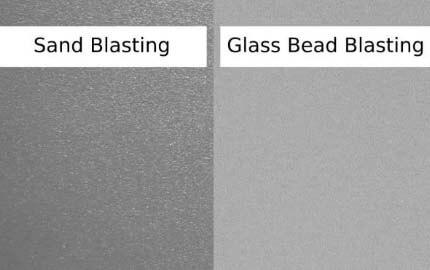
Sandblasting (Bead Blasting)

Sandblasting (Bead Blasting)

Create a uniform matte texture and remove machining marks.
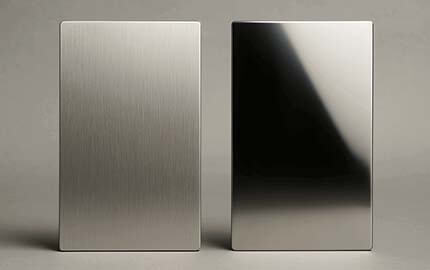
Polishing (Mirror or Satin)

Polishing (Mirror / Satin)

Achieve smooth, reflective, or brushed surfaces for premium appearance.
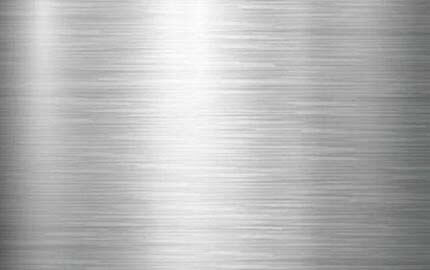
Brushing

Brushing

Produce a consistent linear grain finish, commonly used for stainless steel.
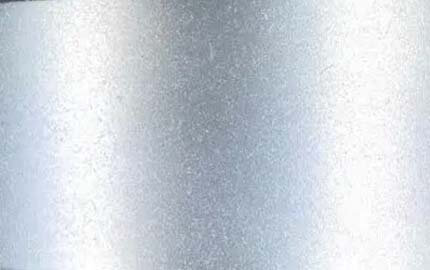
Tumbling Finishing

Tumbling / Vibratory Finishing

Deburr and smooth edges for small parts in bulk processing.

Chemical & Electrochemical
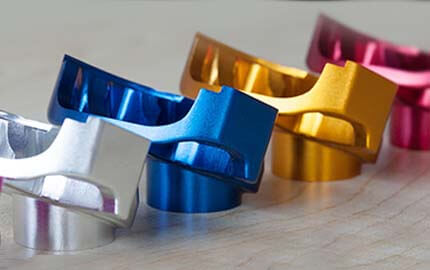
Anodizing

Anodizing (Type II / Type III Hard Anodizing)

Improve corrosion resistance and surface hardness, with optional color finishes.
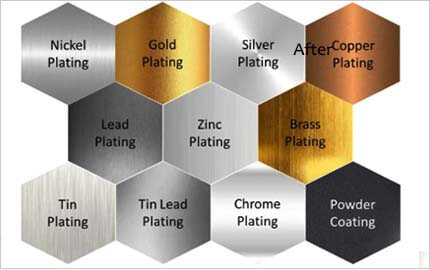
Electroplating (Nickel, Chrome, Zinc, Gold)

Electroplating (Nickel, Chrome, Zinc, Gold)

Enhance conductivity, corrosion resistance, and wear resistance.
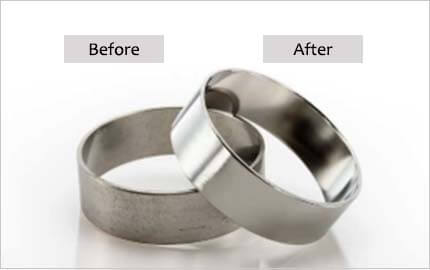
Electropolishing

Electropolishing

Remove micro-roughness and improve surface cleanliness and brightness.

Chemical Conversion Coating (Alodine)1

Chemical Conversion Coating (Alodine)

Provide corrosion protection while maintaining electrical conductivity.

Coating & Painting
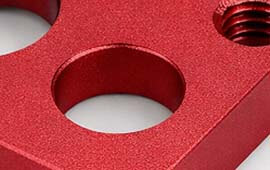
Powder Coating

Powder Coating

Durable, uniform coating with excellent wear and corrosion resistance.
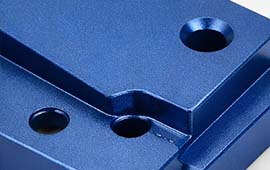
Spray Painting (Wet Painting)

Spray Painting (Wet Painting)

Flexible color matching for custom design requirements.
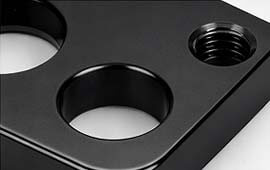
E-coating (Electrophoretic Coating)

E-coating (Electrophoretic Coating)

Uniform coating for complex geometries with strong corrosion protection.
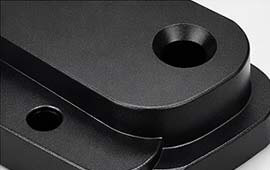
PTFE Coating (Teflon)

PTFE Coating (Teflon)

Non-stick, low friction surface for functional applications.

Special Treatments
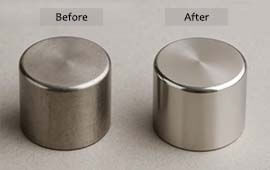
Passivation

Passivation (Stainless Steel)

Enhance corrosion resistance by removing free iron.
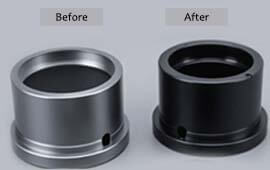
Black Oxide

Black Oxide

Provide mild corrosion resistance with a matte black finish.
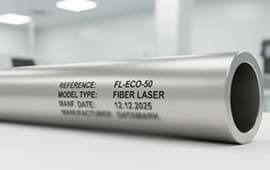
Laser Marking

Laser Marking / Engraving

Add permanent logos, serial numbers, or branding.
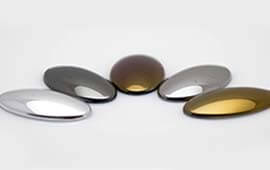
PVD Coating (Physical Vapor Deposition)

PVD Coating (Physical Vapor Deposition)

Thin, high-hardness coating for wear resistance and decorative finishes (gold, black, etc.).

Why Surface Finishing?

Why Surface Finishing Matters? Surface finishing is more than just appearance — it plays a critical role in improving part performance, durability, and user experience. The right finish can enhance corrosion resistance, reduce wear, and elevate the overall look and feel of your product.

Enhanced Durability

Protect parts from corrosion, wear, and environmental damage

Improved Functionality

Enhanced Durability

Optimize friction, conductivity, and surface performance

Premium Aesthetics

Achieve consistent color, texture, and high-end appearance

How Surface Finishing Affects Part Dimensions?

Surface finishing can change the dimensions of CNC-machined parts, especially on tight-tolerance features and critical mating surfaces. Coating thickness, masking requirements, and the selected finishing process can affect final dimensions and fit. We account for these factors during processing to maintain dimensional accuracy and ensure proper assembly and function.
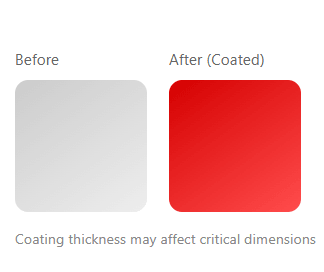
Coating thickness may affect critical dimensions

Controlled Coating Thickness

Precision-managed processes to maintain dimensional accuracy.

Critical Area Masking

Threads and mating surfaces are protected during finishing.

Engineering Review Available

Support for tight tolerance and high-precision applications.

How to Choose the Right Finish?

Finish Appearance Feel Key Benefits Best For
Sandblasting Matte, uniform Slightly rough Removes marks, improves texture consistency Pre-treatment, aesthetic base
Polishing Mirror / Glossy Smooth High-end appearance Consumer products, visible parts
Brushing Linear texture Fine grain Modern metallic look Panels, housings
Tumbling Soft matte Smooth edges Deburring, edge rounding Small parts, batch finishing
Anodizing (Type II) Colored, satin Smooth Corrosion resistance + aesthetics Aluminum parts
Hard Anodizing (Type III) Dark, matte Hard surface High wear resistance Mechanical components
Electroplating Metallic shine Smooth Corrosion resistance, conductivity Electronics, connectors
Electropolishing Bright, clean Ultra smooth Improved cleanliness, reduced roughness Medical, food-grade parts
Alodine Light gold / transparent Light texture Conductivity + corrosion protection Aerospace, electrical parts
Powder Coating Thick, uniform color Slightly textured Strong protection, impact resistant Outdoor, industrial parts
Spray Painting Flexible colors Smooth Cost-effective aesthetic finish General applications
E-coating Uniform coating Smooth Excellent corrosion resistance Automotive parts
PTFE Coating Matte Very smooth Low friction, non-stick Moving parts, seals
Passivation Natural metal No change Improves corrosion resistance Stainless steel
Black Oxide Black matte Smooth Mild corrosion protection Tools, fasteners
PVD Coating Decorative metallic Smooth High hardness + premium look Luxury, decorative parts
Laser Marking Marking only No change Permanent identification Logos, serial numbers
world-map

Multi-Industry Manufacturing Solutions for Global Customers

We serve customers worldwide with reliable manufacturing solutions across multiple industries, including aerospace, automotive, medical, and industrial automation. With efficient production and global logistics, parts can be delivered in as little as 5–10 days.
0+
Global Customers
0+
Annual Parts
0+
Regions Covered
0+
Factory Area(㎡)

Ready to start your NPI project with confidence?

Upload your design files below to identify risks early and ensure a smooth transition to mass production.Contact Our Experts Now!

How To Work With US

01

Upload Files

Upload your 2D/3D design files and share key project details.

02

DFM Review

Our engineers optimize your design for manufacturability, quality, and cost efficiency.

03

Confirm & Produce

Approve the quote and start precision machining with our experienced team.

04

Receive Parts

Get high-quality custom parts delivered straight to your door, ready to use.

Request a Quote

*Note:Please put all files into one folder and compress the folder into a ZIP or RAR file before uploading.
Click or drag files to upload: zip,rar, STEP, STP, IGS, IGES, PRT, IPT, SLDPRT, SAT, X_T, DXF, DWG. 【*Note: For multiple files, please upload them as one ZIP or RAR file. Max. file size: ≤15MB】

    All uploads are secure and confidential. You can also send email to quote@hubmachining.com to get instant quote.
    *Note: Submission may take a few minutes. Please do not close or refresh the page.