
CNC MACHINING FOR AUTOMATION & ROBOTICS
High-Precision CNC Machining For Custom Automation And Robotics Parts.
Support your automation projects with precision CNC machining for robotic components and automation equipment. Built for accuracy, repeatability, and fast delivery.


Case Overview
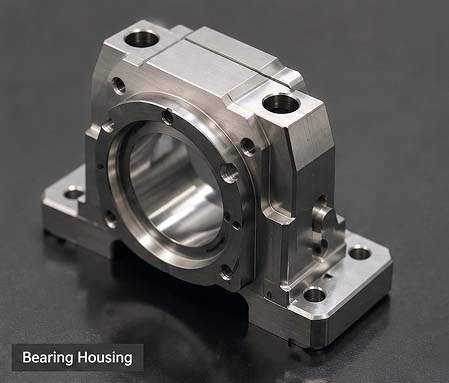
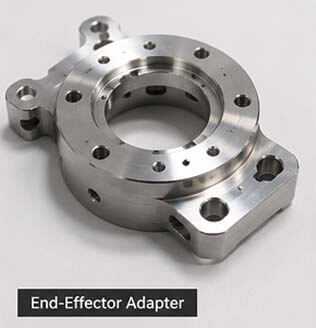
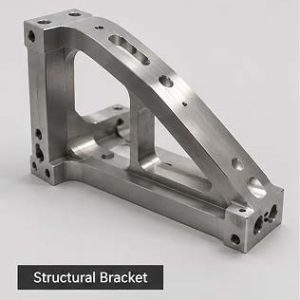
Ethan Keller, an engineering manager at an automation equipment manufacturer, partnered with HUB to manufacture precision CNC components for a 6-axis robotic pick-and-place system. The project included servo motor mounting plates, bearing housings, precision shafts, structural brackets, and end-effector adapters, all requiring exceptional dimensional accuracy and repeatability.
Designed for high-speed, continuous operation, the robotic system demanded tight positional tolerances, precise bearing alignment, and superior surface finishes to minimize vibration and ensure smooth, reliable motion. Consistent machining quality across production batches also helped streamline assembly, reduce calibration time, and maintain long-term system performance.

Project Requirements
The robotic system required precision-machined components capable of supporting accurate positioning, smooth motion, and reliable long-term operation. Key requirements included:
- Tight positional and dimensional tolerances
- Accurate bearing alignment and mating interfaces
- Lightweight yet rigid structural components
- Consistent repeatability across production batches
- High-quality surface finishes for precision assemblies

Manufacturing Challenges
Producing components for robotic motion systems required more than achieving tight tolerances. Several critical machining challenges had to be addressed to ensure reliable assembly and long-term performance:
- Maintaining positional accuracy across multiple mating components
- Machining bearing bores and locating features with precise alignment
- Controlling dimensional consistency across repeat production batches
- Achieving excellent surface finishes to reduce friction and vibration
- Ensuring interchangeable parts for efficient modular assembly

Manufacturing Solution
To address the machining and assembly challenges of the robotic motion system, HUB Machining implemented the following manufacturing strategies:
- 3-axis and 5-axis CNC machining to produce complex components with high positional accuracy and minimize setup-related errors.
- Precision CNC turning for shafts and bearing housings to ensure concentricity, precise bearing fits, and smooth rotational performance.
- Controlled machining of locating features and mounting interfaces to maintain accurate alignment across multiple mating components.
- Tight process control and repeatable machining methods to ensure dimensional consistency across prototype and production batches.
- Precision surface finishing and comprehensive dimensional inspection to verify critical features, reduce friction, and support reliable long-term operation.
Results & Value
The completed components met the demanding requirements of the robotic system and supported efficient equipment assembly and reliable operation.
- Consistent positioning accuracy across critical assemblies
- Reduced assembly adjustments and calibration time
- Reliable repeatability from prototype to production
- Smooth robotic motion with reduced vibration
- Long-term dimensional stability for continuous industrial operation
Key Project Data
Multi-Process
5-axis CNC machining


Typical Tolerance
±0.005 mm

Lead Time
10 Days

Applications
Robotics Industry
What Is CNC Machining for Automation & Robotics?
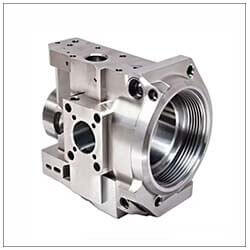
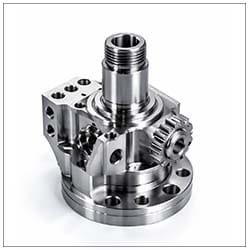
Automation and robotics CNC machining is the process of manufacturing high-precision components used in industrial automation equipment, robotic systems, and motion control assemblies. CNC machining enables complex geometries, tight tolerances, and consistent dimensional accuracy, making it ideal for critical parts such as servo motor mounts, bearing housings, precision shafts, structural brackets, and end-effector adapters. From prototype development to full-scale production, CNC machining ensures reliable performance and repeatable quality.
Why Is Precision CNC Machining Essential for Automation Equipment?
Automation systems rely on precise mechanical components to achieve accurate positioning, smooth motion, and reliable assembly. Even small dimensional variations can affect bearing alignment, motion accuracy, and overall system performance. Precision CNC machining provides tight tolerances, excellent repeatability, and consistent quality, helping manufacturers reduce assembly adjustments, improve equipment reliability, and support long-term operation in demanding industrial environments.
What Makes Automation Components Different ?
Unlike standard mechanical parts, automation and robotics components require higher precision and reliability due to their complex assembly requirements and continuous operating conditions.
Key requirements include:
- Multiple precision mating features that must align accurately during assembly
- High repeatability to maintain consistent motion and system performance
- Accurate bearing fits and critical interfaces for smooth mechanical operation
- Excellent surface finishes to reduce friction and improve component lifespan
- Consistent dimensional stability across production batches
- Reliable performance under continuous dynamic loads
- Strict manufacturing and inspection standards to ensure assembly accuracy
These requirements make automation components more demanding to manufacture than conventional machined parts, requiring advanced CNC machining capabilities and rigorous quality control.
OUR AUTOMATION MANUFACTURING
CAPABILITIES
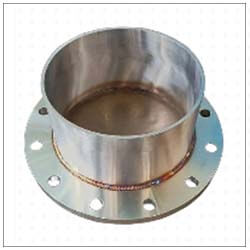
HUB Machining provides precision CNC machining solutions for automation and robotics components, supporting prototypes and production parts with tight tolerances, complex geometries, and reliable performance.
Manufacture complex automation components with tight tolerances, accurate features, and excellent surface finishes.
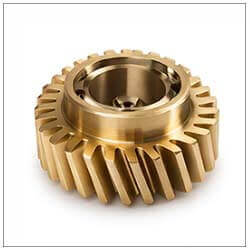
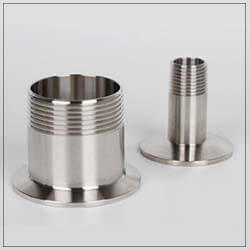
Produce shafts, pins, bushings, and other cylindrical parts requiring accurate fits and smooth operation.
Automation and robotics components can be manufactured using a wide range of engineering materials, including aluminum, stainless steel, carbon steel, tool steel, titanium, brass, and engineering plastics. Material selection depends on factors such as strength, weight, wear resistance, corrosion resistance, and operating conditions.
Explore our CNC machining materials guide to learn more about available materials and their properties.
We offer anodizing, hard anodizing, zinc plating, nickel plating, black oxide, powder coating, bead blasting, polishing, passivation, and laser marking to improve corrosion resistance, durability, and appearance.
We provide comprehensive quality control services, including CMM inspection, First Article Inspection (FAI), dimensional verification, mechanical assembly, and complete quality documentation. Critical features such as bearing fits, mounting interfaces, and assembly dimensions are carefully inspected to ensure every automation component meets your specifications and performs reliably in the final system.
Support rapid prototyping, engineering validation, low-volume production, and scalable manufacturing for automation systems.
Typical Automation Components We Manufacture
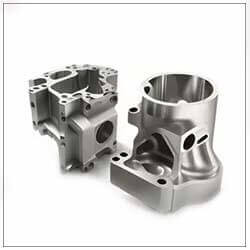
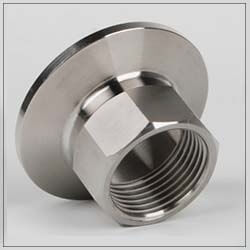
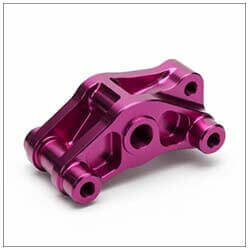
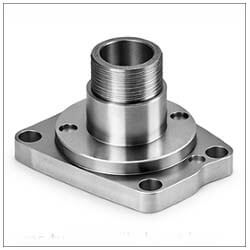
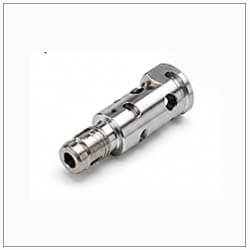
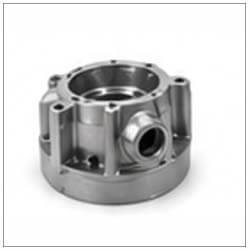
Automation Machining Solutions
Why HUB Machining
HUB Machining delivers precision CNC machining solutions for the automotive industry, supporting everything from rapid prototyping to production manufacturing. We help automotive manufacturers produce high-quality components with tight tolerances, reliable performance, and consistent quality.
Why Us
- Tight tolerances for motion control and positioning components.
- Fast prototyping with seamless transition to volume manufacturing.
- Complex Multi-Axis Manufacturing, 3-axis, 4-axis, 5-axis CNC machining and CNC turning for intricate automation parts.
- CMM inspection, FAI reports, and full traceability available.
- Reliable Global Delivery, Stable lead times and responsive engineering support
Industry Solutions
Feedback from Michael Carter
“Our previous supplier struggled to maintain dimensional consistency between batches, which caused alignment issues during equipment assembly. HUB Machining provided stable machining quality from prototype through production, and every shipment matched our inspection requirements. That consistency has helped reduce assembly time and improve overall production efficiency.”
— Michael Carter, Automation Systems Engineer