
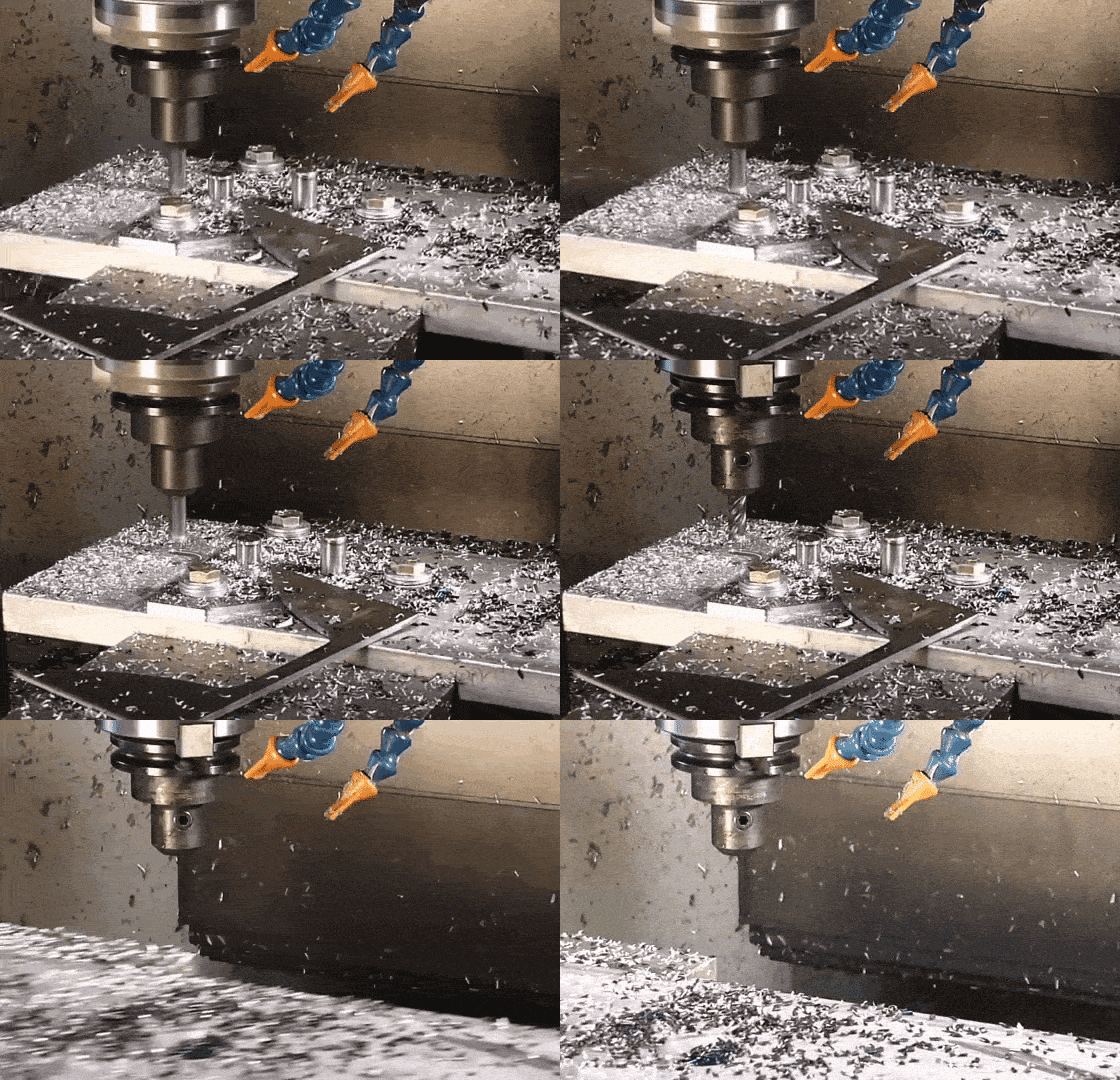








Trusted by engineers, manufacturers, and global brands worldwide, with10000+ customers across 100+ countries and regions.
Precision CNC Milling Services for Complex Parts
Automation | Medical | Aerospace | Electronics | Automotive| Communications
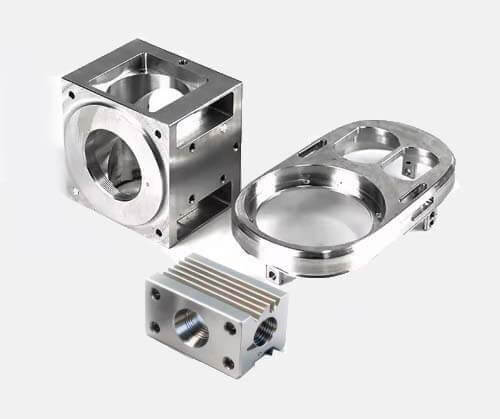
Our CNC milling services provide precision-machined parts for complex geometries and tight-tolerance applications. By using multi-axis CNC milling machines and experienced machinists, we manufacture custom components with excellent accuracy, surface quality, and repeatability.
CNC milling is a subtractive manufacturing process that removes material from solid blocks using rotating cutting tools. This method is ideal for producing parts with complex shapes, flat surfaces, pockets, slots, and detailed features that require precise dimensional control.
Advanced CNC Milling Capabilities
We support a wide range of milling operations for both simple and highly complex parts, including:
- 3-axis, 4-axis, and 5-axis CNC milling
- Precision pockets, contours, and complex surfaces
- Slots, holes, threads, and custom features
- Tight tolerances and consistent surface finishes
Multi-axis machining allows us to reduce multiple setups, improve accuracy, and machine intricate geometries efficiently.
Flexible Production from Prototype to Volume
Our CNC milling solutions are suitable for rapid prototyping, low-volume production, and full-scale manufacturing. Efficient workflows and automated machining ensure stable quality and reduced lead times, even for parts with demanding specifications.
By optimizing tool paths and machining strategies, we help lower production costs while maintaining strict quality standards.
CNC Milling Material Options
Selecting the right material is critical for CNC milling to achieve desired strength, finish, and durability. We offer a wide range of metals, plastics, and ceramics suitable for both prototype and production parts.
At HUB we provide a wide range of high-quality materials for CNC milling, ensuring your parts meet performance, durability, and cost requirements. Whether you need metals, plastics, or specialty materials, our engineers can guide you to the perfect choice.
Important Notes
- Surface finish availability depends on material type and part geometry
- Hard materials such as ceramics and tungsten carbide typically require grinding processes
- Additional surface treatments may impact tolerances and lead times
- Industry standards and functional requirements should be specified on drawings
| Image | Material | Typical Grades | Surface Finishes | Industries |
|---|---|---|---|---|
 |
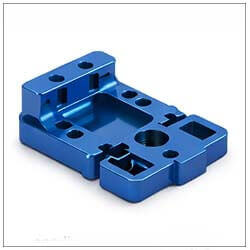
Aluminum Alloys | 6061, 7075, 2024, 5052 | As-machined, Anodizing, Hard anodizing, Chromate conversion, Powder coating, Bead blasting, Polishing | Aerospace, Automotive, Electronics, Enclosures |
 |
Carbon Steel | 1018, 1045, 1060 | As-machined, Black oxide, Phosphate coating, Polishing | Industrial Machinery, Automation Equipment |
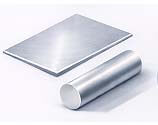 |
Stainless Steel | 303, 304, 316, 17-4 PH | As-machined, Passivation, Electropolishing, Bead blasting, Polishing | Medical Devices, Food Processing Equipment, Marine |
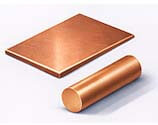 |
Copper | C101, C110 | As-machined, Polishing, Anti-oxidation treatment | Electrical Components, Thermal Management |
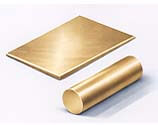 |
Brass | C360, C385 | As-machined, Polishing, Bead blasting | Valves, Fittings, Precision Instrumentation |
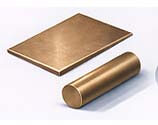 |
Bronze | C932, C954 | As-machined, Polishing | Bearings, Bushings, Wear Parts |
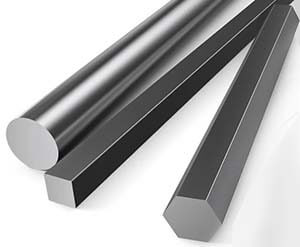
| Material | Typical | Surface Finishes | Industries |
|---|---|---|---|
| Tool Steel | D2, H13, A2 | As-machined, Heat treatment, Polishing, Nitriding | Mold & Die, Tooling |
| Titanium Alloys | Grade 2, Ti-6Al-4V | As-machined, Bead blasting, Polishing, Anodizing | Aerospace, Medical, Performance parts |
| Nickel Alloys | Inconel 625, 718 | As-machined, Polishing | Aerospace, Energy |
| Image | Material | Typical / Grades | Surface Finishes | Industries / Applications |
|---|---|---|---|---|
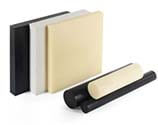 |
Engineering Plastics | ABS, POM (Acetal), Nylon (PA), PC, PET, PPS | As-machined, Polishing, Vapor smoothing | Prototyping, Consumer products, Electronics housings |
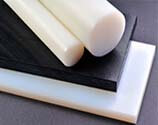 |
Specialty Engineering Plastics | Acetal (POM-C, POM-H), HDPE, LDPE, PBT | As-machined, Polishing, Vapor smoothing | Industrial parts, Packaging, Consumer goods |
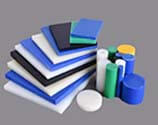 |
Nylon & Filled Nylon | PA6, PA66, Glass-filled Nylon, Carbon-filled Nylon | As-machined, Polishing | Gears, Bearings, Mechanical components |
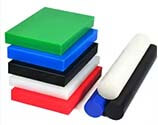 |
Food-Grade Plastics | HDPE, UHMW-PE, POM (FDA grade), PP, PC | As-machined, Polishing, Flame polishing | Food processing equipment, Containers, Gears, Valves, Medical device parts |
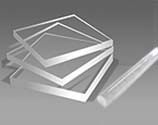 |
Transparent Plastics | PMMA (Acrylic), PC (Polycarbonate), PETG | As-machined, Polishing, Flame polishing, Vapor smoothing | Display panels, Optical components, Protective covers, Lighting |
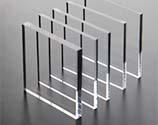 |
Optical / High-Gloss Plastics | PMMA, Optical-grade PC, COC | Polishing, Flame polishing, Vapor smoothing | Lenses, Light guides, Medical optics |
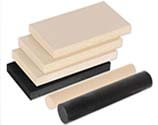 |
High-Performance Plastics | PEEK, PTFE, PPS, UHMW, LCP | As-machined, Polishing, Annealing | Medical devices, Chemical equipment, Semiconductor parts, Aerospace |
| Image | Material | Typical / Grades | Surface Finishes | Industries / Applications |
|---|---|---|---|---|
 |
Alumina (Al₂O₃) | 99%, 96%, 95% purity | Fine grinding, Precision polishing | Semiconductor, Insulation, Wear parts, Mechanical components |
|
Zirconia (ZrO₂) | 3Y-TZP, 8Y, Fully stabilized | Precision grinding, Polishing | Medical implants, Valves, Pump components, High-precision parts |
|
Silicon Nitride (Si₃N₄) | SN-101, SN-201, Gas pressure sintered | Precision grinding, Polishing | High-temperature bearings, Aerospace, Cutting tools |
|
Aluminum Nitride (AlN) | High purity, Sintered | Precision grinding, Polishing | Electronics, Heat sinks, Insulation |
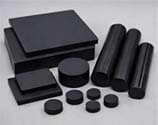 |
Silicon Carbide (SiC) | Reaction bonded, Sintered, Hot-pressed | Precision grinding, Diamond polishing | Wear-resistant components, High-temperature parts, Industrial tooling |
|
Tungsten Carbide (WC) | Cemented carbide, Cobalt bonded | Precision grinding, Polishing (limited) | Tooling, Mold & Die, Wear-resistant components |
CNC Milling Tolerances
CNC milling tolerances define the allowable dimensional variation of machined parts. Achievable tolerances depend on multiple factors, including material type, part geometry, feature complexity, machining strategy, and surface finish requirements.Unless otherwise specified on the customer’s drawing, standard CNC milling tolerances apply. Tighter tolerances are available upon request for critical features.
| Feature Type | Standard Tolerance | High-Precision Option |
|---|---|---|
| Linear dimensions | ±0.05 mm (±0.002 in) | ±0.01 mm (±0.0004 in) |
| Hole diameters | ±0.02 mm (±0.001 in) | ±0.01 mm (±0.0004 in) |
| Shaft / boss diameters | ±0.02 mm (±0.001 in) | ±0.01 mm (±0.0004 in) |
| Flatness | ISO 2768-m | Tighter upon request |
| Parallelism | ISO 2768-m | Tighter upon request |
| Perpendicularity | ISO 2768-m | Tighter upon request |
| Thread tolerances | ISO / UNC / UNF standards | Custom tolerance available |
| Surface finish (Ra) | 1.6–3.2 μm (63–125 μin) | 0.8 μm (32 μin) or better |
These tolerances are suitable for most functional and structural CNC milled parts.
Factors Affecting CNC Milling Tolerances
Several factors influence achievable tolerances in CNC milling:
- Material stability and machinability
- Part size and geometric complexity
- Wall thickness and feature depth
- Tool access and machining direction
- Surface finish and secondary processes
Our engineering team will review your design and provide manufacturability feedback if any tolerances may impact cost, lead time, or feasibility.
Precision & Quality You Can Trust
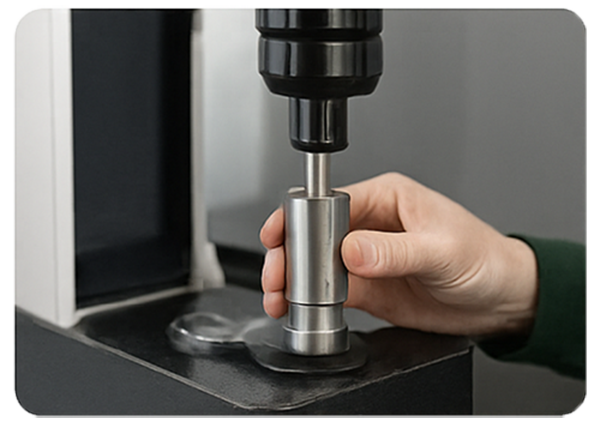
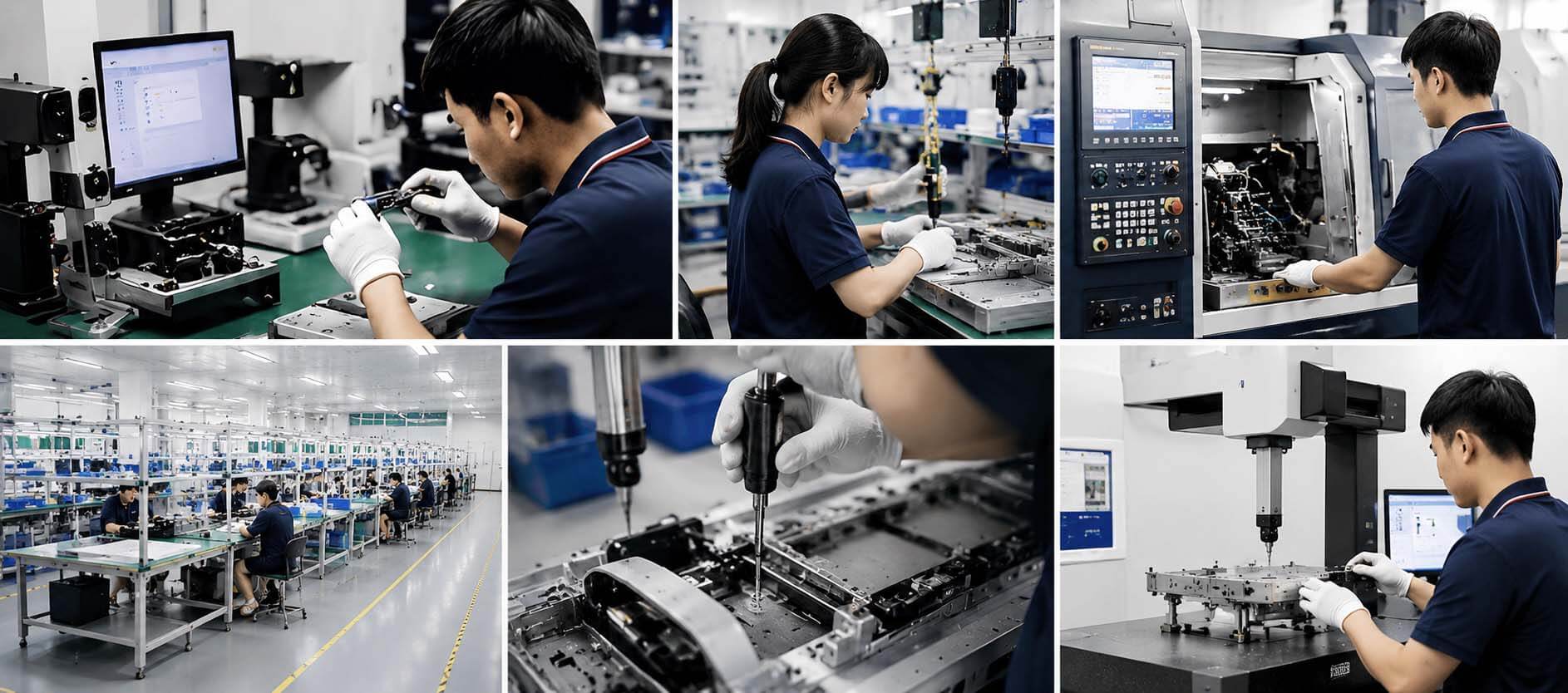
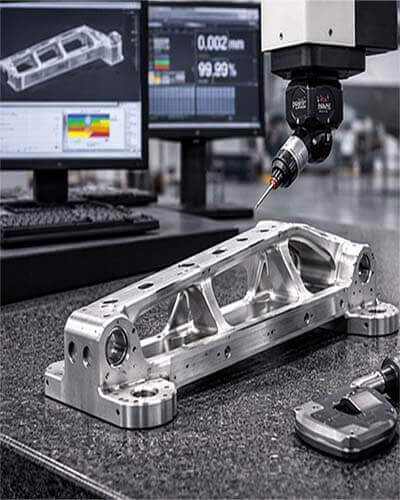
At HUB Machining, we ensure every part meets the highest standards. From material inspection to final measurement, our rigorous quality control process guarantees consistent, reliable results for your custom components.

Material Verification
Inspect raw materials to ensure compliance with specifications and traceability.

In-Process Inspection
Monitor each machining step with advanced measuring equipment to maintain precision.

First Article Inspection (FAI)
Verify the first part against design drawings and specifications to ensure production accuracy before full-scale manufacturing.

Final Testing & Certification
Conduct thorough dimensional checks, surface inspections, and testing before delivery, ensuring every part meets your expectations.

Multi-Industry Manufacturing Solutions for Global Customers
We serve customers worldwide with reliable manufacturing solutions across multiple industries, including aerospace, automotive, medical, and industrial automation. With efficient production and global logistics, parts can be delivered in as little as 5–10 days.
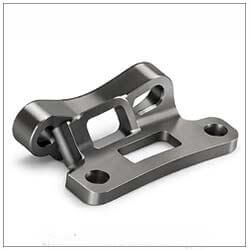
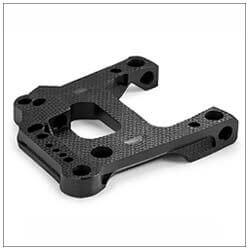
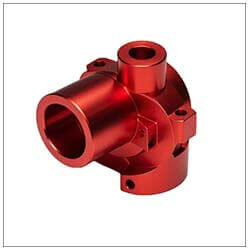
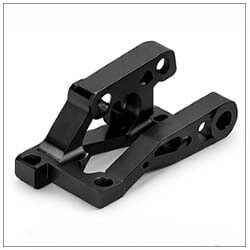
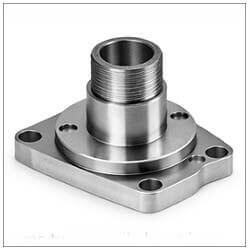
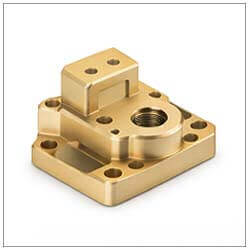
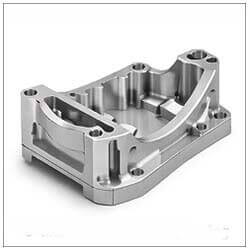
WHY HUB MACHINING?
Your Reliable Manufacturing Partner
Your Reliable Manufacturing Partner
NPI prototyping bridges early concepts to full-scale production.
Based on customer-provided designs, our team evaluates feasibility,
identifies risks, and validates performance.
Concept & Design Review
Your design, we review feasibility and manufacturability.
DFM feedback optimizes structure, tolerance, and lead time.
Rapid Prototyping & EVT
Fast prototypes validate function, fit, and assembly.
Design iterations are refined through EVT testing.
Pilot Run
Small-batch production verifies process stability and yield.
Quality and consistency are evaluated before scale-up.
Mass Production Launch
Validated processes enable stable, scalable manufacturing.
Consistent quality and reliable delivery are ensured.
Customer Success Case
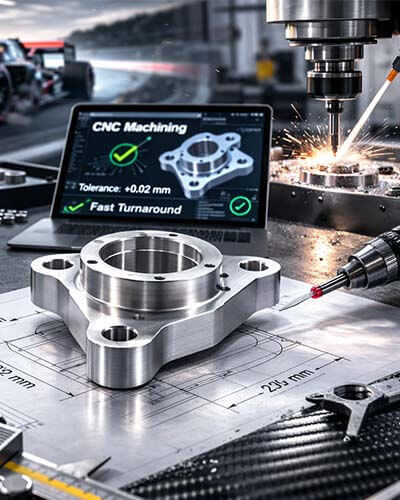
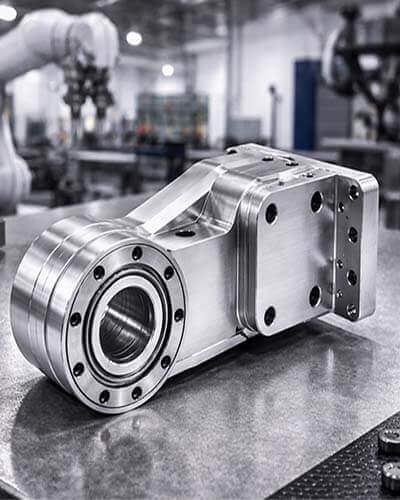
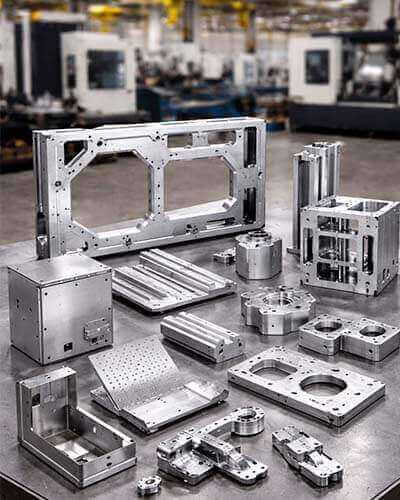
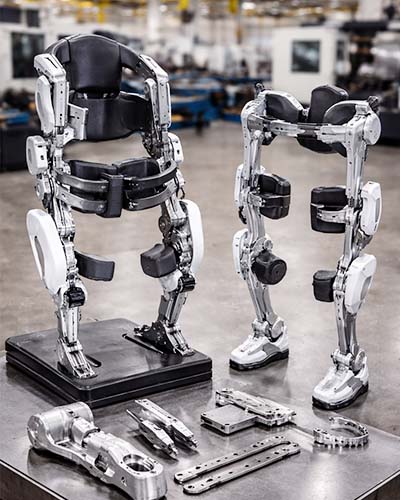
HUB partners with companies across the automotive, aerospace, medical, electronics, and robotics industries, supporting projects at every stage—from early-stage prototyping to full-scale production. From individual innovators to Fortune 500 enterprises, we deliver trusted CNC machining solutions with precision, quality, and reliability worldwide.
Customer Reviews
“Excellent machining quality and tight tolerances. Parts fit perfectly right out of the box.”
Eric Thompson
“The surface finish exceeded our expectations — looks production-ready.”
Lukas Weber
“They helped us validate our design quickly with prototypes, and the transition to mass production was seamless.”
Julien Moreau
How To Work With US
01
Upload Files
Upload your 2D/3D design files and share key project details.
02
DFM Review
Our engineers optimize your design for manufacturability, quality, and cost efficiency.
03
Confirm & Produce
Approve the quote and start precision machining with our experienced team.
04
Receive Parts
Get high-quality custom parts delivered straight to your door, ready to use.
FAQS
Our inspection process covers:
- Dimensional and tolerance checks
- Assembly correctness verification
- Visual defect inspection
- Component integrity confirmation
Yes. We offer protective packaging, labeling, and ready-for-shipment solutions to ensure your parts arrive safely.
We use professional packaging and secure fixation methods. All shipped assemblies come with a quality inspection report so you can perform final testing upon receipt.
HUB Machining provides comprehensive CNC machining services, including CNC milling, CNC turning, 5-axis machining, Swiss machining, EDM, and precision grinding. We support both rapid prototyping and high-volume production for a wide range of industries.
We machine a wide variety of materials, including aluminum, stainless steel, carbon steel, brass, copper, titanium, magnesium, POM, ABS, Nylon, PEEK, PTFE, acrylic, and other engineering plastics. Material recommendations are also available based on your application.
Standard machining tolerance is typically ±0.01 mm. For precision components, tighter tolerances can be achieved depending on the material, geometry, and manufacturing process. Our engineering team reviews each project to ensure the required accuracy is met.
Yes. We specialize in both rapid prototyping and full-scale production. Whether you need a single prototype, low-volume batches, or mass production, we can provide flexible manufacturing solutions with consistent quality.
We accept most standard CAD formats, including STEP (.stp), IGES (.igs), X_T, Parasolid, SolidWorks, DWG, DXF, STL, and PDF drawings. If you are unsure about your file format, simply send it to our engineering team for review.
Most quotations are provided within 24 hours after receiving your drawings and project requirements. Complex assemblies or high-volume projects may require additional engineering review.
Yes. Our engineers review every project and provide DFM recommendations to improve manufacturability, reduce machining time, optimize material usage, and lower production costs without compromising product performance.
We provide a full range of surface finishing services, including anodizing, powder coating, plating, polishing, sandblasting, brushing, painting, passivation, black oxide, and laser marking to meet both functional and cosmetic requirements.
Quality is controlled throughout the manufacturing process, from incoming material inspection to in-process checks and final inspection. We use precision measuring equipment such as CMMs, calipers, micrometers, and height gauges to verify critical dimensions before shipment.
Yes. We regularly ship CNC machined parts to customers in North America, Europe, Australia, and other global markets. Parts are carefully packaged to prevent damage during transportation, and we support express, air, and sea freight options.
Lead times depend on the manufacturing process, material, quantity, and part complexity. Prototype orders are typically completed within 3–10 business days, while production orders generally require 2–6 weeks. A confirmed lead time will be provided with every quotation.
We accept secure payment methods, including bank transfer (T/T) and PayPal for eligible orders. Payment terms may vary depending on the project scope and order value. Please contact our sales team for specific payment arrangements.
All parts are carefully inspected and securely packaged before shipment. Depending on the product type, we use protective wrapping, foam inserts, individual bags, custom cartons, and export-grade wooden crates to ensure the parts arrive safely and in excellent condition.
Yes. We understand the importance of protecting your intellectual property. We are happy to sign a Non-Disclosure Agreement (NDA) before reviewing your drawings or project information. All customer data is handled with strict confidentiality throughout the entire manufacturing process.
Some surface finishing processes can slightly affect part dimensions by adding or removing a thin layer of material. Processes such as anodizing, plating, and powder coating may change surface thickness, while polishing can remove a small amount of material. If your project has critical tolerances, our engineering team will consider the finishing process during manufacturing to ensure the final part meets your specifications.
Surface finish quality is inspected through visual examination, dimensional verification, and process-specific quality checks. We evaluate appearance, coating uniformity, color consistency, adhesion, and surface defects. When required, we also verify surface roughness and coating thickness using professional inspection equipment to ensure compliance with customer specifications.
Yes. We offer a variety of RoHS-compliant surface finishing options, including anodizing, powder coating, passivation, zinc plating, electroless nickel plating, and other environmentally compliant treatments. If your project requires RoHS, REACH, or other regulatory compliance, please let us know during the quotation stage.
The best surface finish depends on your application, material, operating environment, and appearance requirements. For example, anodizing improves corrosion resistance for aluminum, powder coating provides a durable decorative finish, while plating enhances wear resistance and electrical conductivity. Our engineering team can recommend the most suitable finishing process based on your functional and aesthetic requirements.
Yes. We offer anodizing in a variety of standard colors, including clear (natural), black, red, blue, gold, and other custom colors, depending on the material and project requirements. Anodizing not only enhances the appearance of aluminum parts but also improves corrosion resistance, wear resistance, and surface hardness. If you have specific color requirements, we can match them as closely as possible.
Anodizing is an electrochemical process that creates a durable oxide layer on the surface of aluminum, improving corrosion resistance, wear resistance, and hardness while maintaining a metallic appearance. Powder coating applies a protective polymer coating that provides excellent durability, impact resistance, and a wide range of color options. Anodizing is suitable only for aluminum, while powder coating can be applied to aluminum, steel, and other metals. The best choice depends on your application, performance requirements, and desired appearance.
Yes. We offer customized packaging and labeling services based on your requirements. Options include individual packaging, protective foam, custom cartons, export-grade wooden crates, barcode labels, part number labels, and customer-specific packaging to ensure safe transportation and efficient inventory management.